
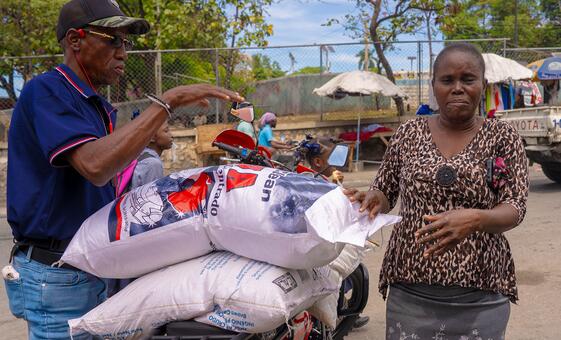
5.8 Million Haitians Struggle to Eat: What Does This Mean for Young People?
More than half of Haiti’s population—5.8 million people—are facing crisis-level food insecurity as of April 2026. This includes
More than half of Haitians continue to face food crisis: A call for slow discernment and radical compassion
5.8 million Haitians, or roughly 52 percent of
More than half of Haitians continue to face food crisis: A call for slow discernment and radical compassion
5.8 million Haitians, or roughly 52 percent of
More than half of Haitians continue to face food crisis
Imagine checking your bank account and seeing nothing left to cover rent or groceries. That’s the reality for 5.8 million Haitians – over half the country’s population – who are struggling to find enough food. For young people in Port-au-Prince, this means skipping meals or relying on unstable, informal work just to survive.
The United Nations World Food Programme reported on April 17, 2026, that 5.8 million Haitians, roughly 52 percent of the population, are facing crisis levels of food insecurity or worse. More than 1.8 million
More than half of Haitians continue to face food crisis
BIG_PICTURE: In Haiti, over 5.8 million people—more than half the country’s population—struggle to find enough food, with 1.8 million facing emergency levels of hunger where they’ve exhausted their resources. This crisis disproportionately impacts young Haitians, many of whom are struggling to find stable employment amidst the economic instability.
NEWS SUMMARY: The United Nations World Food Programme (WFP) reported on April 17, 2026, that 5.8 million Haitians, or roughly 52 percent of the population, are
More than half of Haitians continue to face food crisis
Food insecurity in Haiti is worsening. Nearly 5.8 million people—over half of Haiti’s population—struggle to find enough food, with 1.8 million facing emergency levels of hunger. This means families in Port-au-Prince and across the country are selling possessions and skipping meals just to survive.
NEWS SUMMARY The United Nations World Food Programme reported on April 17, 2026, that 5.8 million Haitians, representing 52% of the population, are experiencing crisis-level food insecurity or worse. More than 1.8 million Haitians are in emergency food insecurity, meaning they’ve exhausted their resources and cannot meet basic needs.
YOUTH IMPACT The official narrative emphasizes humanitarian aid and international partnerships, but Haitian youth are experiencing a starkly different
More than half of Haitians continue to face food crisis
More than 5.8 million Haitians—over half the country’s population—struggle to find enough food, according to a new United Nations report. In Port-au-Prince, 16-year-old students like Marie are skipping meals to help their families, highlighting the severity of the situation.
The Food and Agriculture Organization (FAO) reported on April 17, 2026, that 5.8 million Haitians, or roughly 52 percent of the population, are facing crisis levels of food insecurity, or worse. Of those, more than 1.
More than half of Haitians continue to face food crisis
In Haiti, 5.8 million people—over half the country’s population—struggle to find enough food, according to a recent report. This includes 1.8 million facing emergency levels of hunger, meaning families are selling everything they own just to survive. Young Haitians, like 17-year-old Marie from Port-au-Prince, are skipping meals and dropping out of school to help their families find work.
The United Nations World Food Programme reported on April 17, 2026, that 5.8 million Haitians, or roughly 52 per cent of the population, are facing crisis levels of food insecurity, or worse. Of those, more than 1.8 million are dealing with emergency levels of food insecurity.
The disconnect is stark: Haitian government officials recently
More than half of Haitians continue to face food crisis
In Haiti, 5.8 million people—over half the country’s population—struggle to find enough food, according to a recent report. This means that nearly 1 in 2 Haitians, including many young people, are experiencing crisis levels of food insecurity, with 1.8 million facing emergency conditions where they’ve exhausted their resources.
The United Nations World Food Programme reported on April 17, 2026, that 5.8 million Haitians, roughly 52 percent of the population, are facing crisis levels of food insecurity or worse. More than 1.8 million of those are dealing with emergency levels of hunger.
The stark numbers reveal a painful contradiction: while international aid organizations highlight the severity of the food crisis in Haiti, young Haitians—who make up roughly
More than half of Haitians continue to face food crisis
Over 5.8 million Haitians – more than half of the country’s 11.1 million people – are struggling to find enough food, according to a recent report. This means that nearly 52% of the population, including a significant number of young people aged 15-24, are facing crisis levels of food insecurity or worse. In Port-au-Prince, lines at food distribution centers stretched for blocks last week, with young men and women reporting going days without a substantial meal.
The United Nations World Food Programme (WFP) released the report on April 17, 2026, stating that 5.8 million Haitians, or roughly 52 per cent of the population, are facing crisis levels of food insecurity, or worse. Of those, more than 1.8 million are dealing with emergency levels of food insecurity.
The disconnect is stark: national economic reports highlight a slight uptick in agricultural output, yet 1.8 million Haitians, including 350,000 children under
More than half of Haitians continue to face food crisis
Over 5.8 million Haitians—more than half of the country’s 11.1 million people—are struggling to find enough food, according to a new report. This includes over 1.8 million people in emergency situations, meaning they’ve run out of resources and can’t even meet their most basic needs. The crisis disproportionately affects young people, with nearly 40% of Haitian children under five experiencing acute malnutrition.
The World Food Programme (WFP) released the report on April 17, 2026, stating that 5.8 million Haitians, or roughly 52 per cent of the population, are facing crisis levels of food insecurity, or worse. Of those, more than 1.8 million are dealing with emergency levels.
The disconnect is stark
More than half of Haitians continue to face food crisis
In Haiti, 5.8 million people—over half the country’s population—struggle to find enough food, according to a recent report. This includes 1.8 million Haitians facing emergency food insecurity, meaning they’ve exhausted their resources and can’t meet basic needs. Young adults aged 18-25 in Port-au-Prince report skipping meals three or more times a week to help their families.
The United Nations World Food Programme (WFP) released a report on April 17, 2026, stating that 5.8 million Haitians,
More than half of Haitians continue to face food crisis
More than 5.8 million Haitians—over half of the country’s population—are struggling to find enough food. In Port-au-Prince, families are rationing meals, and 1.8 million people are facing emergency levels of food insecurity, meaning they have exhausted their resources and can barely meet their basic needs.
The United Nations World Food Programme reported on April 17, 2026, that 5.8 million Haitians, roughly 52 percent of the population, are experiencing crisis levels of food insecurity or worse. Over 1.8 million of those are dealing with emergency levels of hunger, depleting their last assets to secure food.
YOUTH IMPACT: Young people in Haiti, especially those aged 15-24, are caught in a painful contradiction. Government reports emphasize the need for vocational training programs to combat youth unemployment and build resilience—with the Ministry of Youth and Sports announcing a new initiative targeting 10,000 young people in underserved communities. Yet, in the Cite Soleil neighborhood, 70% of young men report skipping meals to support their families, demonstrating a stark disconnect between policy and lived reality. While the government highlights potential solutions, the immediate crisis demands immediate action, and young Haitians are bearing the brunt of the food shortage, sacrificing their own needs to ensure their families survive. This disparity underscores the urgent need for direct food assistance alongside long-term development initiatives.
TEACHER PERSPECTIVE: Pamela Fellows, drawing from the Christian contemplative tradition, suggests that young people can approach this crisis with greater discernment through lectio divina. The constant stream of economic data—graphs, percentages, news alerts—often obscures the human cost. Fellows encourages students to slow down, to read the statistics not as abstract numbers, but as indicators of real suffering, to truly see the faces behind the 5.8 million figure. She notes, “Just as a seed needs quiet darkness to germinate, so too does understanding require a stillness that resists the urge to react immediately.”
Following the example of Dorothy Day and the Catholic Worker movement, Fellows emphasizes that the true measure of any economic system is its impact on the most vulnerable. She asks students to consider: “What does it mean that 1.8 million Haitians are facing emergency levels of food insecurity? What does this say about our global responsibility to those living on the margins?” Fellows challenges young people to move beyond discussions of averages and focus on the individual stories of those most affected, particularly the young people struggling to survive in communities like Cite Soleil.
Finally, Fellows reminds students that contemplation isn’t passive; it fuels action. Drawing on the tradition of social action rooted in Christian
More than half of Haitians continue to face food crisis
In Haiti, 5.8 million people—over half the country’s population—are struggling to find enough food, according to a recent report. This includes 1.8 million Haitians experiencing emergency levels of food insecurity, meaning they’ve depleted their resources and can barely afford basic meals. Young people, particularly those aged 15-24 in Port-au-Prince, are increasingly reliant on informal labor and aid organizations to survive.
The United Nations World Food Programme (WFP) released a report on April 17, 2026, stating that 5.8 million Haitians, or roughly 52 percent of the population, are facing crisis levels of food insecurity, or worse. The WFP estimates that over 1.8 million people are facing emergency levels of food insecurity, requiring urgent food assistance.
<
More than half of Haitians continue to face food crisis
Over 5.8 million Haitians—more than half of the country’s 11 million residents—are struggling to find enough food, according to a new report. This means nearly 52% of the population, including a significant number of young people aged 15-29, are facing crisis levels of food insecurity or worse. In Port-au-Prince, lines at food distribution centers stretched for blocks last week as families waited for aid.
The Food and Agriculture Organization (FAO) of the United Nations reported on April 17, 2026, that 5.8 million Haitians, or roughly 52 percent of the population, are facing crisis levels of food insecurity, or worse. Of those, more than 1.8 million are dealing with emergency levels of food insecurity.
The stark reality is that while international organizations discuss economic recovery plans, 1.8 million Haitians—including young people who’ve dropped out of school to find work—are facing starvation. Many young people in Cap-Haïtien report working 1
More than half of Haitians continue to face food crisis
Over 5.8 million Haitians—more than half the country’s population—are struggling to find enough food, according to a new report. In Port-au-Prince, families are rationing meals, and nearly 1.8 million people are facing emergency levels of food insecurity, meaning they have exhausted their resources and can barely afford basic necessities.
The United Nations World Food Programme reported on April 17, 2026, that 5.8 million Haitians, or roughly 52 percent of the population, are facing crisis levels of food insecurity or worse. More than 1.8 million of those are dealing with emergency levels of food insecurity.
The disconnect is stark: Haitian government officials recently highlighted economic growth projections, citing a 2% increase in GDP. Yet, in Cite Soleil, a
Source: https://news.un.org/feed/view/en/story/2026/04/1167328

