
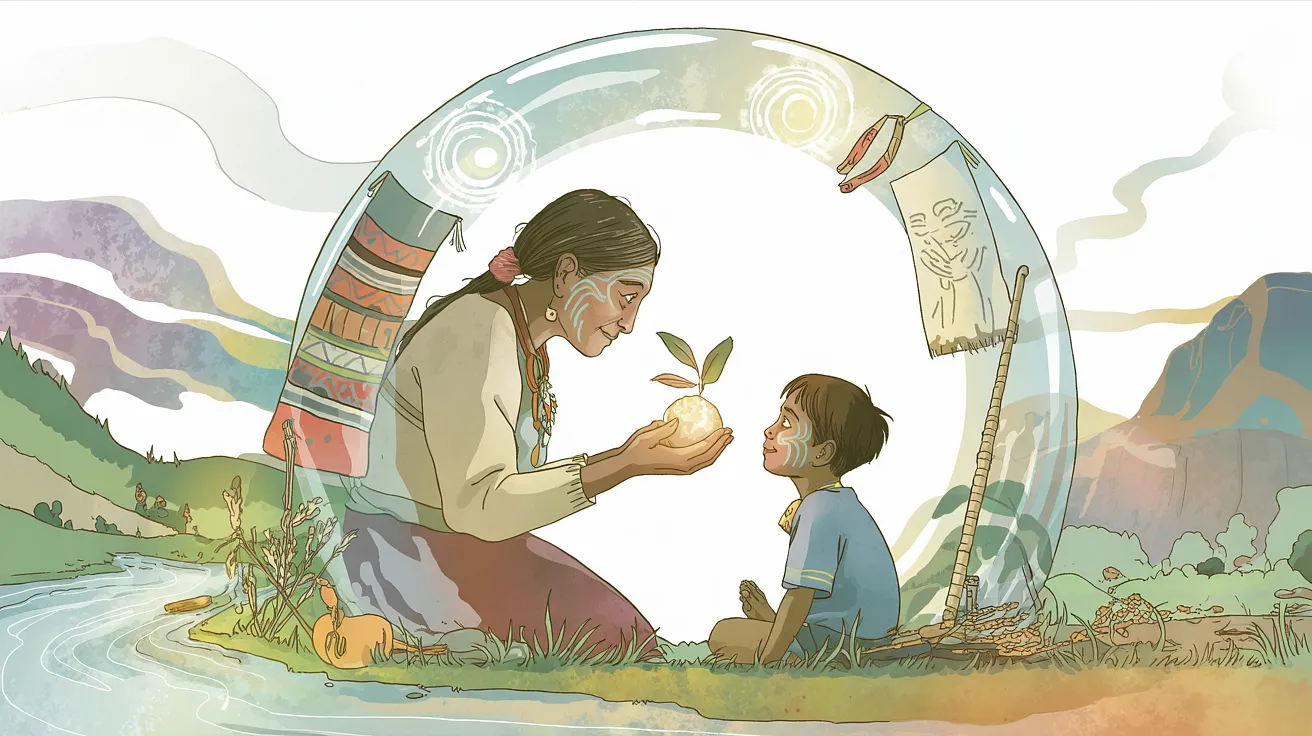
In an era dominated by digital innovation and intellectual property disputes over the latest technologies, one UN specialized agency has taken on a less visible but profoundly important mission: safeguarding humanity’s oldest knowledge systems. The World Intellectual Property Organization (WIPO) has expanded beyond its conventional focus on patents and trademarks to address the protection of traditional knowledge, cultural expressions, and genetic resources that have sustained communities for generations.
This article examines how WIPO’s work in this domain represents a significant contribution to multiple Sustainable Development Goals while addressing fundamental questions of cultural preservation, community rights, and global knowledge governance.
Beyond Commercial Innovation: WIPO’s Expanded Mandate
While WIPO is primarily known for administering international treaties on patents, trademarks, and copyrights, the organization has developed a distinct focus on protecting traditional knowledge that transcends conventional intellectual property frameworks. This expansion reflects a growing recognition that established IP systems—designed primarily for individual innovation and commercial application—inadequately address knowledge that is collectively held, intergenerationally transmitted, and often deeply connected to cultural identity.
WIPO’s work in this area directly supports several Sustainable Development Goals, particularly SDG 15 (Life on Land) through its protection of biodiversity-related knowledge, SDG 11 (Sustainable Cities and Communities) through safeguarding cultural heritage, and SDG 16 (Peace, Justice, and Strong Institutions) by strengthening legal frameworks that respect the rights of marginalized communities.
Through its Intergovernmental Committee on Intellectual Property and Genetic Resources, Traditional Knowledge and Folklore, WIPO has facilitated complex negotiations toward the development of international legal instruments that establish protection standards across jurisdictions. These efforts aim to create mechanisms ensuring that communities have prior informed consent regarding the use of their knowledge and receive equitable benefits when that knowledge has commercial applications.
This approach represents more than legal technicalities—it establishes recognition that traditional knowledge constitutes valuable intellectual contributions deserving protection comparable to other forms of innovation, while acknowledging their distinctive characteristics and contexts.
Community Documentation on Community Terms
A cornerstone of WIPO’s practical work involves supporting Indigenous and local communities in documenting and preserving their knowledge according to their protocols and priorities. Unlike earlier anthropological approaches that often extracted information without community control, WIPO’s methodology emphasizes community agency in determining what knowledge is recorded, how it is represented, and who may access it.
This documentation process serves multiple functions: it creates evidence of prior art that can prevent inappropriate patenting of traditional knowledge by outside entities; it supports intergenerational knowledge transmission within communities facing cultural disruption; and it establishes clear records for potential benefit-sharing arrangements.
WIPO provides technical assistance through its Traditional Knowledge Documentation Toolkit, which offers methodologies for recording knowledge while maintaining appropriate cultural protocols and confidentiality considerations. The organization also facilitates capacity building through training programs that help community representatives understand existing intellectual property mechanisms and how they might be adapted to protect traditional knowledge.
This community-centered approach acknowledges that adequate protection begins with empowerment, ensuring that knowledge holders themselves determine how their intellectual and cultural heritage engages with broader legal and economic systems.
Case Study: Protecting the Cultural Heritage of the Kuna People
The collaboration between WIPO and the Kuna (Guna) people of Panama illustrates how international intellectual property frameworks can be adapted to protect traditional cultural expressions from unauthorized commercial exploitation. The Kuna are renowned for their Mola textiles—intricate reverse-appliqué panels featuring geometric patterns and stylized imagery that embody cultural narratives and identity.
When these distinctive designs began appearing in fashion products and souvenirs without authorization or attribution, the Kuna faced not only economic appropriation but the decontextualization of cultural expressions that carry profound significance for their community.
WIPO partnered with Kuna leaders to develop a multifaceted protection strategy. This included documenting the cultural context and meaning of traditional designs, establishing legal frameworks recognizing collective intellectual property rights, and engaging with commercial sectors regarding ethical protocols for working with Indigenous cultural expressions.
This case demonstrates how WIPO’s approach extends beyond preventing unauthorized use to affirmatively strengthen community control over cultural heritage. The protection mechanisms developed through this collaboration enable the Kuna to determine how their cultural expressions may be shared and utilized while ensuring appropriate attribution and compensation.
The Kuna experience exemplifies the practical application of principles outlined in the UN Declaration on the Rights of Indigenous Peoples, particularly about self-determination and control over cultural heritage. It shows how international intellectual property mechanisms, when appropriately adapted, can support rather than undermine Indigenous rights frameworks.
Preserving Knowledge While Supporting Development
A distinctive feature of WIPO’s approach is its recognition that protecting traditional knowledge involves more than static preservation—it requires creating space for knowledge systems to evolve on their terms and engage with contemporary contexts when communities choose to do so.
The organization has developed programs that help communities utilize existing intellectual property tools such as geographical indications, collective trademarks, and certification marks to protect traditional products while entering markets equitably. These mechanisms enable communities to derive economic benefits from their heritage while maintaining authority over how that heritage is represented and commercialized.
WIPO’s work on traditional medicines similarly supports communities in protecting their knowledge while exploring potential research partnerships based on principles of prior informed consent and equitable benefit-sharing. Rather than imposing a false choice between isolation or exploitation, these approaches create pathways for engagement that respect community agency and ensure fair compensation.
This balanced perspective aligns with SDG 8 (Decent Work and Economic Growth) by supporting sustainable economic opportunities based on cultural heritage, and with SDG 10 (Reduced Inequalities) by addressing historical imbalances in how traditional knowledge has been valued and utilized in global knowledge systems.
Challenges and Future Imperatives
Despite significant progress, WIPO’s traditional knowledge protection efforts face substantial challenges. After two decades of negotiations, consensus on binding international instruments remains elusive due to divergent national interests and conceptual differences regarding the relationship between traditional knowledge and conventional intellectual property paradigms.
Implementation challenges persist even where legal frameworks exist. Many Indigenous communities lack the resources to monitor potential infringements or pursue remedies when violations occur. Digital technologies further complicate protection as cultural expressions can be rapidly disseminated and modified online, creating new contexts for misappropriation.
Additionally, legal protections alone cannot address the systemic marginalization affecting many knowledge-holding communities or counteract historical processes that have disrupted cultural transmission. Effective traditional knowledge protection requires complementary efforts addressing broader issues of Indigenous rights, cultural revitalization, and sustainable development.
Looking forward, several priorities emerge for advancing WIPO’s work:
First, accelerating progress toward binding international instruments while ensuring these frameworks remain sufficiently flexible to accommodate diverse traditions and community priorities.
Second, strengthening implementation mechanisms that enable communities to effectively exercise their rights across jurisdictions and technological contexts.
Third, deepening integration between traditional knowledge protection and broader UN initiatives on Indigenous rights, cultural heritage, and biodiversity conservation to create coherent international approaches.
Fourth, expanding practical support programs that build community capacity to document, protect, and manage traditional knowledge according to their protocols and priorities.
Conclusion: Valuing Knowledge Across Cultural Contexts
WIPO’s work on traditional knowledge protection addresses a fundamental question for our interconnected world: How can diverse knowledge systems coexist within global governance frameworks that have historically privileged particular forms of innovation and intellectual contribution?
By developing mechanisms that recognize the value and validity of traditional knowledge while respecting its distinctive characteristics, WIPO contributes to more equitable global knowledge governance that acknowledges multiple ways of knowing and creating. This approach supports several Sustainable Development Goals while addressing historical imbalances in how different knowledge systems have been recognized and protected.
As contemporary challenges from climate change to public health increasingly demonstrate the relevance of traditional knowledge to global concerns, WIPO’s efforts to develop appropriate protection frameworks become ever more significant. These mechanisms help ensure that traditional knowledge can contribute to addressing shared challenges while remaining under the governance of communities that have developed and sustained it through generations.
The progress made through WIPO represents an important step toward intellectual property systems that respect cultural diversity, community rights, and the multiple ways human societies have developed and transmitted knowledge throughout history. This evolution serves not only the interests of traditional knowledge-holding communities but also the broader goal of preserving humanity’s diverse intellectual heritage for future generations.

