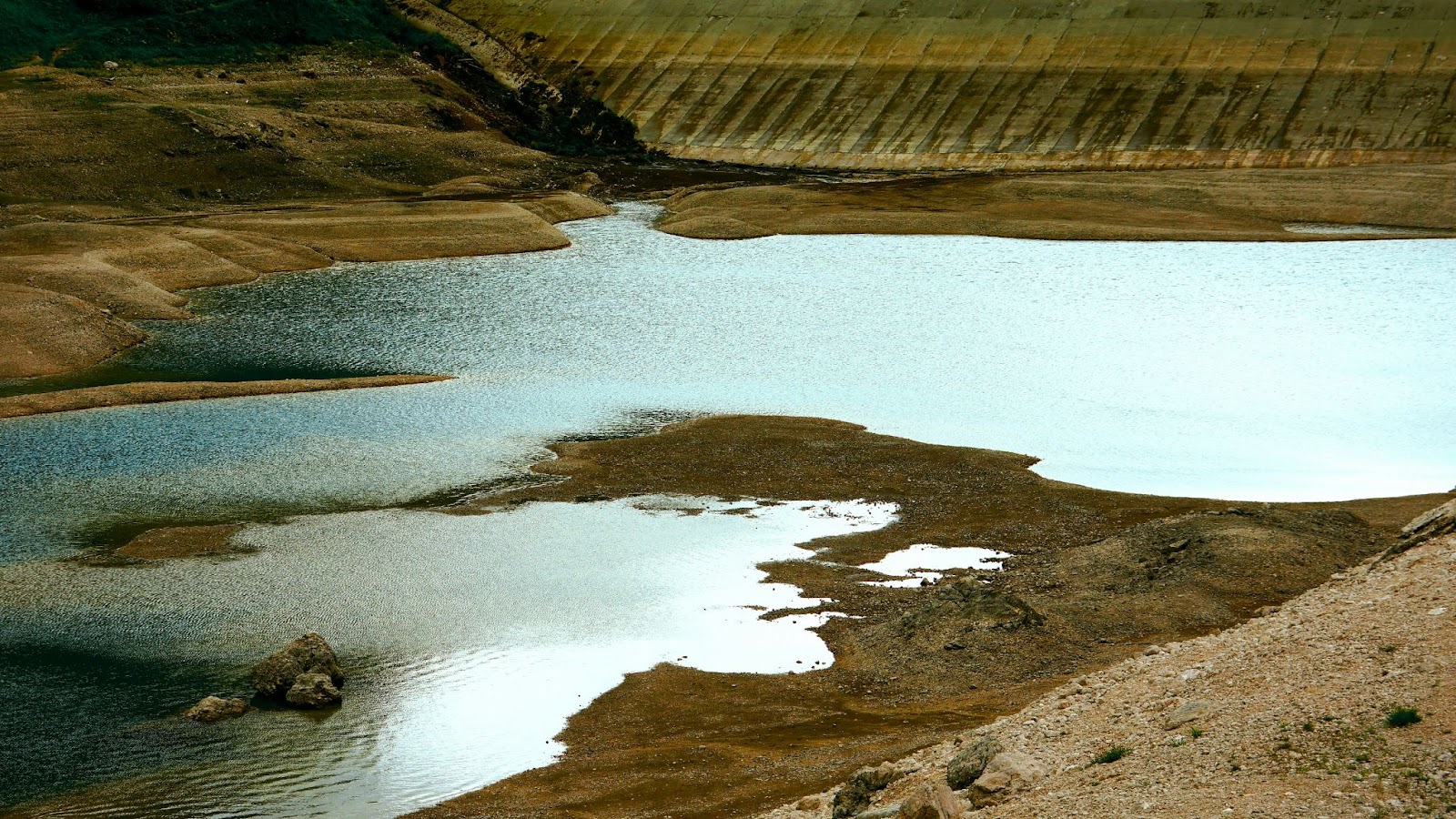
In the ever-evolving landscape of global environmental governance, UN-Water stands out as a unique coordination mechanism weaving together the expertise of more than 30 UN entities. Rather than creating a new institution to address water-related challenges, the United Nations established UN-Water to foster collaboration across fragmented mandates, geographies, and disciplines.
UN-Water’s model of networked governance goes beyond improving water management. It reveals how the international system can respond to complex, interconnected challenges such as climate disruption and food security by fostering coherence, amplifying shared knowledge, and building collective momentum.
Beyond Traditional Agency Structure: The Coordination Imperative
Water governance presents a fundamental challenge to conventional institutional frameworks. Water resources cross national borders, intersect with multiple sectors including agriculture, energy, and public health, and require diverse technical expertise from hydrology to economics. No single agency, ministry, or organization possesses the comprehensive mandate or capacity to address these interconnected dimensions.
UN-Water responds to this reality through a deliberate structural innovation. Rather than establishing yet another specialized agency, the United Nations created a coordination mechanism that brings together more than 30 UN entities including WHO, FAO, UNICEF, UNEP, UNESCO, and UNDP – each contributing distinct expertise on different aspects of water management and sanitation.
This networked approach acknowledges a core truth about water: it cannot be effectively governed through isolated interventions. Just as water flows across boundaries, water governance requires institutional arrangements that facilitate integration rather than fragmentation. UN-Water’s design reflects this understanding, prioritizing alignment and coherence over centralized authority.
This model also offers important insights for addressing other complex global challenges where fragmented responses have proven inadequate. Climate change, biodiversity loss, food security, and pandemic prevention all share water’s cross-cutting nature, suggesting potential applications for similar coordination in these domains.
Knowledge Integration: Building Coherent Understanding
Knowledge integration is at the core of UN-Water’s key contribution, synthesizing diverse perspectives and expertise into comprehensive frameworks for understanding water challenges. This role is embodied in flagship efforts like the annual World Water Development Report, which examines water issues through a wide range of sectoral lenses.
These frameworks and resources enable decision-makers to recognize connections that might otherwise remain invisible: how sanitation deficits affect educational outcomes for girls, how agricultural practices influence water quality downstream, or how climate change alters hydrological patterns across regions. By systematically connecting these dimensions, UN-Water helps transform isolated technical insights into coherent understanding.
This integrative approach extends to monitoring and assessment through initiatives like the Integrated Monitoring Initiative for SDG 6, which tracks progress toward water-related sustainable development targets. By establishing common methodologies and data frameworks, UN-Water enables consistent measurement and reporting across different organizations and countries.
The emphasis on knowledge integration acknowledges that effective governance requires not just data but contextual understanding. Technical solutions that neglect social, economic, or political dimensions often fail in implementation. UN-Water’s holistic approach helps avoid such pitfalls by ensuring multiple perspectives inform policy recommendations.
The Water Action Decade: Catalyzing Systemic Change
The initiative Water Action Decade, coordinated by UN-Water, illustrates how coordination mechanisms can mobilize global action around shared priorities. It also demonstrates UN-Water’s capacity to influence the international agenda despite lacking the formal authority of a traditional agency.
The initiative operates at multiple levels simultaneously. It provides a framework for high-level diplomatic engagement through conferences and policy dialogues while also supporting technical cooperation on implementation challenges. This multi-level approach enables connections between political commitments and practical actions.
A distinctive feature of the initiative is the SDG 6 Global Acceleration Framework, which identifies five accelerators for water-related development: financing, data and information, capacity development, innovation, and governance. This framework recognizes that progress requires addressing systemic barriers rather than simply scaling existing approaches.
Importantly, the Water Action Decade explicitly incorporates diverse knowledge systems, including indigenous perspectives on water management. This inclusion reflects growing recognition that effective water governance must draw on traditional ecological knowledge alongside scientific expertise – particularly in communities with longstanding adaptive practices for managing variable water resources.
The initiative has catalyzed numerous country-level implementation efforts, from improved water governance in Small Island Developing States to transboundary water cooperation in river basins facing climate change impacts. These examples demonstrate how global frameworks can support contextually appropriate local solutions when coordination mechanisms function effectively.
Challenges and Limitations of the Coordination Model
Despite its valuable contributions, UN-Water’s coordination model faces several significant challenges that require critical assessment. Coordination mechanisms typically possess limited resources compared to operational agencies. UN-Water operates with a small secretariat and budget, constraining its ability to support implementation at scale despite its strategic influence.
The model also depends heavily on the willingness of participating organizations to align their activities. When institutional mandates or priorities conflict, UN-Water lacks formal authority to resolve these tensions, relying instead on persuasion and consensus-building, which can be difficult to achieve.
This emphasis on collaboration can delay action when urgent responses are needed. Efforts to build agreement among multiple actors may slow down interventions during water-related crises or emergencies.
Accountability is another challenge. When results hinge on collective action, it becomes difficult to pinpoint responsibility for success or failure. This diffusion of accountability can reduce incentives for strong, consistent performance.
Taken together, these limitations suggest that coordination models like UN-Water’s are most effective when paired with clear implementation responsibilities, sufficient resources, and strong political backing from member states. While the model adds important coordination capacity, it cannot substitute for operational delivery or committed leadership.
Implications for Global Governance Innovation
UN-Water’s experience offers several valuable insights for innovation in international governance. It shows that addressing complex, boundary-crossing issues may require networked approaches rather than rigid hierarchies. In some cases, coordination mechanisms can be more effective than establishing new specialized agencies.
It also demonstrates that integration doesn’t have to mean centralization. Instead of consolidating all water-related efforts under one roof, UN-Water fosters coherence while allowing participating organizations to maintain their specialized expertise. This balance between unity and diversity is worth considering in other multifaceted policy areas.
UN-Water further illustrates how influence can stem from knowledge and process rather than formal authority. By building shared frameworks, standards, and understanding, coordination mechanisms can shape global responses without the need for direct control.
Ultimately, UN-Water underscores the importance of aligning institutional design with the nature of the problem. Water’s interconnected, cross-sectoral character makes a coordination mechanism particularly fitting. This principle—that form should follow function—offers a compelling guide for designing governance structures in other complex domains.
The Path Forward: Strengthening Collaborative Governance
As water challenges intensify due to climate change, population growth, and rising demand, the collaborative approach embodied by UN-Water is becoming increasingly essential. To strengthen this model, several priorities stand out.
Investing more in coordination mechanisms themselves is critical. While operational activities often attract the bulk of funding, effective coordination depends on adequate resources for knowledge integration, relationship-building, and managing collaborative processes—areas that are frequently underfunded.
Enhancing feedback loops between global frameworks and local implementation would also improve the model’s effectiveness. Creating stronger channels for local innovations and on-the-ground experiences to inform international policy can ensure that global strategies remain grounded and responsive.
In some cases, hybrid models that blend coordination with targeted implementation capacities may offer a useful complement. This approach could preserve the integrative strengths of coordination mechanisms while delivering more direct support in contexts that require it.
Finally, clearer metrics for evaluating coordination efforts would improve accountability. Because the benefits of coordination are often diffuse and difficult to measure, developing tools to assess their quality and impact can help validate their role in achieving tangible outcomes.
A Governance Model for Interconnected Challenges
UN-Water represents more than a technical arrangement for managing water issues. It embodies a governance philosophy that recognizes interconnection, values integration, and advances collective action across institutional boundaries. In addressing water challenges, it demonstrates principles applicable to many of our most pressing global issues.
The organization’s collaborative approach acknowledges that complex challenges cannot be effectively addressed through fragmented interventions. Just as water flows across artificial boundaries, effective governance must transcend institutional silos to create coherent responses to interconnected problems.
As the international community confronts cascading environmental and social challenges, the coordination model pioneered by UN-Water deserves greater attention and support. Its emphasis on integration, alignment, and systemic understanding offers a promising template for governance innovation in an increasingly interconnected world.