
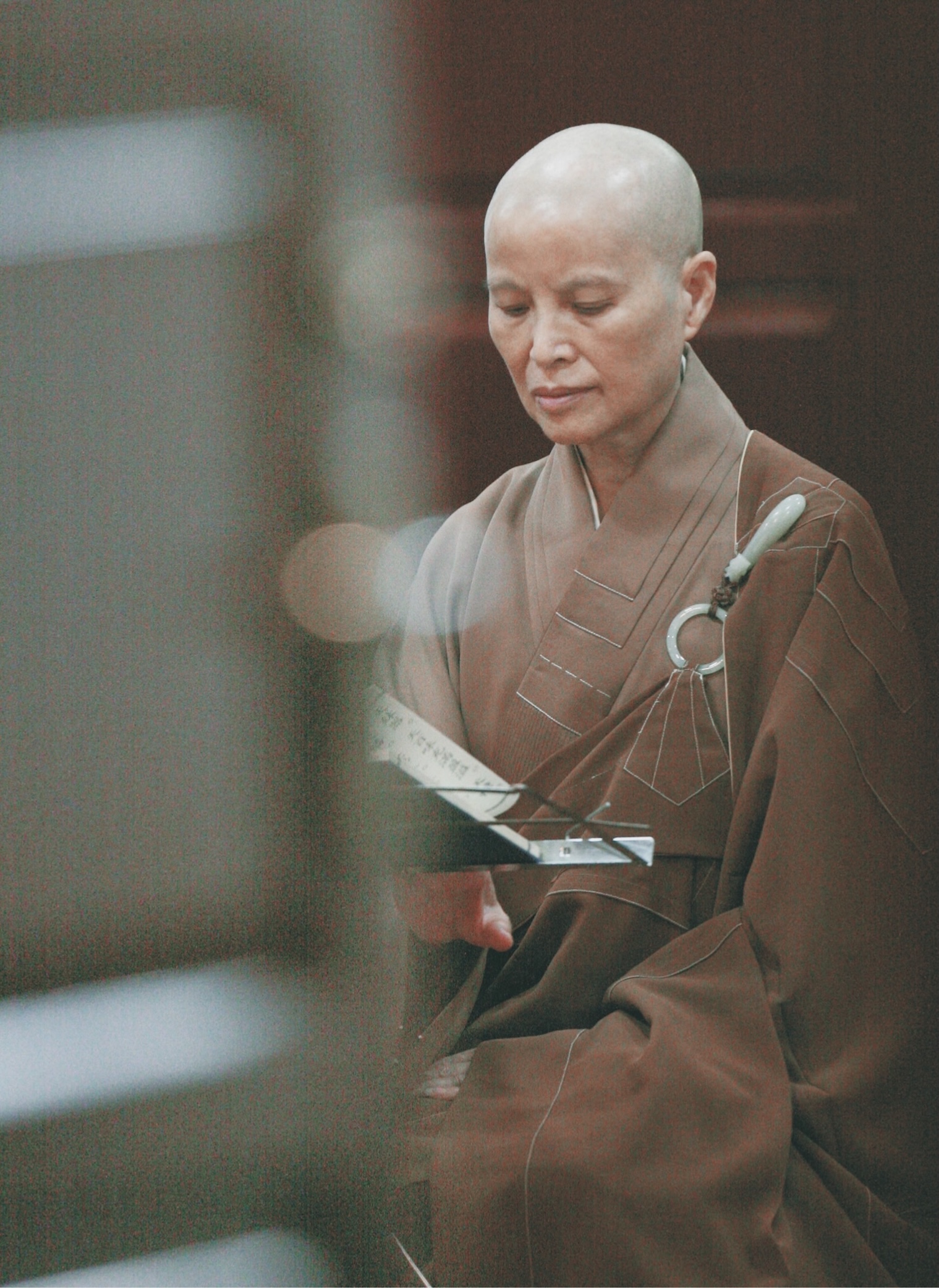
As the world faces overlapping crises of conflict, climate change, and inequality, the need for peace has never been greater. However, peace is not solely achieved through policy or negotiation; it is also built through compassion, service, and personal transformation. In the United States, one of the most notable examples of this comprehensive approach to peace is the work of the Tzu Chi Foundation, founded by Cheng Yen. This article explores how Tzu Chi’s efforts, particularly in Washington D.C. and across the U.S., align closely with the United Nations Sustainable Development Goals, especially SDG 16 (Peace, Justice, and Strong Institutions) and SDG 17 (Partnerships for the Goals).
A Vision Rooted in Compassionate Action
The Tzu Chi Foundation was established in 1966 by Cheng Yen, a Taiwanese Buddhist nun and humanitarian who believed that principles must be acted upon through selfless service. Starting with a small group of volunteers saving spare coins to help those in need, Tzu Chi has grown into a global humanitarian organization active in over 60 countries. Its mission is grounded in four core commitments: charity, medicine, education, and cultural development.
Cheng Yen teaches that meaningful change begins from within. Her approach emphasizes mindfulness, humility, and actions stemming from wisdom and compassion. Rather than promoting a specific belief system, Tzu Chi’s mission is to relieve suffering wherever it exists, whether through food distribution, medical aid, disaster response, or providing emotional support to someone in distress.
Quiet Impact in the United States
Tzu Chi’s work in the United States includes hurricane relief in Texas and Puerto Rico, COVID-19 emergency distributions, and long-term educational programs for underserved communities. One of its most significant regional presences is in Washington D.C., where Tzu Chi has implemented programs reflecting its unique approach to humanitarian aid and personal development.
In Washington D.C., Tzu Chi has partnered with FEMA (Federal Emergency Management Agency) to offer mindfulness-based stress reduction (MBSR) classes to federal employees coping with burnout, trauma, or the emotional toll of disaster response. This initiative demonstrates how Tzu Chi integrates personal well-being with community service, reflecting the belief that sustainable peace requires emotional and psychological balance.
Cheng Yen’s Enduring Influence
Cheng Yen is often referred to as the “Mother Teresa of Asia” for her unwavering commitment to nonviolence and humanitarian relief. Her philosophy is simple yet profound: suffering decreases through mutual care and ethical living. To her, the boundaries between countries, social backgrounds, and classes are mere illusions, while compassion transcends these divisions.
Under her leadership, Tzu Chi has provided billions of dollars in aid to those affected by earthquakes, floods, wars, and poverty. Her philosophy has influenced many humanitarian workers and inspired collaborations across various groups worldwide. In every response effort—from Haiti to Syria to Afghanistan—Tzu Chi volunteers provide not just supplies but also a calming presence, dignity, and unconditional respect.
Supporting Peace and Justice: SDG 16
Tzu Chi’s efforts directly align with SDG 16, which advocates for promoting peaceful and inclusive societies, ensuring access to justice for all, and building effective, accountable institutions. While Tzu Chi does not act as a political or legal entity, it plays a crucial role in fostering social trust and community resilience, essential components of peace.
By providing trauma-informed care, disaster relief, and emotional support to marginalized communities, Tzu Chi strengthens peaceful community structures. In conflict-affected areas like Ukraine, the foundation has extended aid to refugees and internally displaced families. In the U.S., its outreach to underserved neighborhoods promotes inclusion and rebuilds social connections weakened by poverty or systemic neglect.
In Washington D.C., a hub of power and policymaking, Tzu Chi redefines peace as not merely the absence of conflict but the presence of care, equity, and connection.
Building Partnerships that Matter: SDG 17
The scale and success of Tzu Chi’s work would not be possible without strategic collaborations, reflecting a strong alignment with SDG 17, which emphasizes inclusive partnerships at global, regional, national, and local levels. Tzu Chi holds consultative status with the United Nations Economic and Social Council (ECOSOC) and is recognized as a valued partner in global humanitarian coordination.
In Washington D.C., Tzu Chi collaborates with U.S. government agencies, international organizations, community coalitions, and local groups. These partnerships not only expand the reach of their medical clinics, disaster response teams, and educational programs but also promote a different model of development rooted in collaboration and mutual support.
Through partnerships with organizations like UNICEF, UNHCR, and UNESCO, Tzu Chi helps channel global resources into responsive, grassroots-based action. Their medical missions and environmental campaigns also complement SDG 3 (Health and Wellbeing) and SDG 13 (Climate Action), reflecting the organization’s comprehensive understanding of peace.
The U.S. as a Platform for Transformative Change
The United States and Washington D.C. in particular, is often seen as the center of formal diplomacy. But it’s also home to community-level change-makers. Tzu Chi’s quiet presence in the U.S. highlights this message: that personal responsibility, ethical living, and collective care are essential to long-term peace.
As U.S. policy increasingly recognizes the link between trauma, inequality, and violence, organizations like Tzu Chi offer a healing-centered model that puts people first. Their work shows that investing in social infrastructure with compassion, trust, and shared responsibility is just as important as building roads or writing laws.
Human Connection as Global Strategy
In a time of division and disconnection, Tzu Chi’s model feels both timeless and timely. It suggests that effective solutions to conflict aren’t always found in treaties or sanctions, but in fostering connection and encouraging care for others. Cheng Yen’s work presents a significant challenge to global development: to build not only more efficient systems but also more empathetic communities.
Through education, disaster relief, and public health campaigns, Tzu Chi promotes not just recovery, but renewal of human potential and trust between neighbors. That’s peacebuilding at its core. It begins with individual and community action.
Conclusion: Compassion as a Global Force
From Washington D.C. to communities around the world, the Tzu Chi Foundation and Cheng Yen’s legacy offer a clear message: real change begins with compassion. By aligning with the UN’s goals—particularly SDG 16 and SDG 17—Tzu Chi demonstrates what it means to build peace not only through institutional power but through genuine human connection.
As the world searches for solutions that are sustainable, inclusive, and just, Cheng Yen’s vision reminds us that even the smallest acts of care can ripple outward. And that, perhaps, is the most powerful force for peace we have.

