
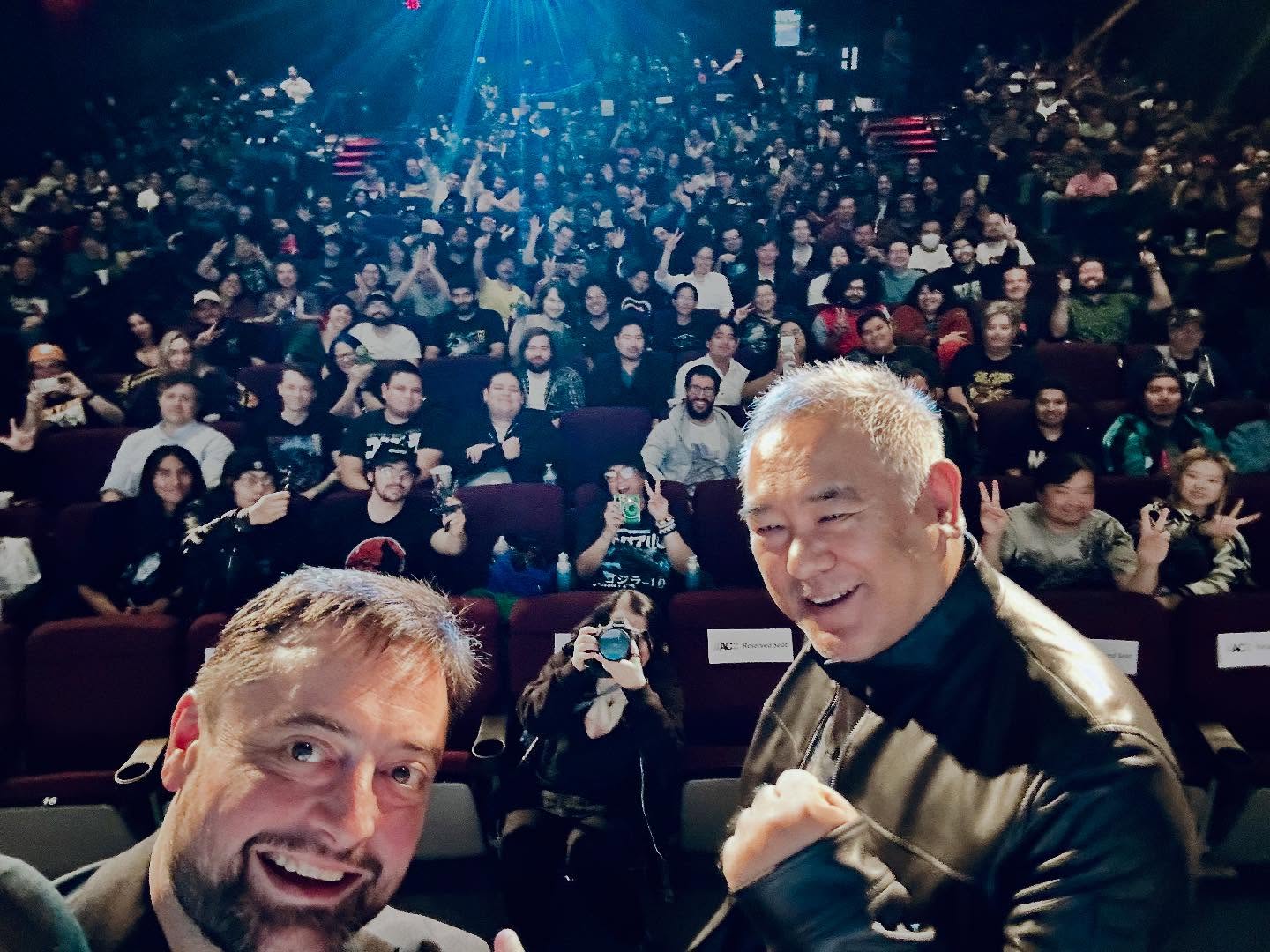
Thunderous applause at the Aero Theatre in Los Angeles on October 3rd, 2025, marked more than just another film screening. As director Ryuhei Kitamura stood before an eager crowd of fans at the special Beyond Fest presentation of Godzilla: Final Wars in pristine 4K restoration, the moment represented something far greater: the enduring power of artistic integrity to bridge cultures and illuminate universal truths through the medium of cinema.
The Genesis of a Global Vision
Born in Osaka, Kitamura embodied a restless spirit that would define his approach to filmmaking. At age 17, driven by an unshakeable conviction to become a Hollywood director, he made the bold decision to leave Japan for Sydney, Australia, to study film and visual arts. This early act of crossing boundaries, geographic, cultural, and educational, would become the foundation of his unique cinematic philosophy that seamlessly blends Eastern and Western storytelling traditions.
Kitamura’s journey exemplifies the principles central to intercultural dialogue and understanding. His willingness to step outside familiar cultural frameworks and immerse himself in different educational environments demonstrates the transformative power of quality education in fostering global citizenship. This educational journey, pursued against conventional expectations, aligns with the UN SDG 4’s emphasis on promoting learning opportunities that prepare individuals for meaningful engagement in an interconnected world.
Breaking Barriers Through Independent Vision
The creation of Versus in 2000 represents a watershed moment not just in Kitamura’s career, but in the broader narrative of how determination and artistic integrity can overcome systemic barriers. Faced with rejection from all major Japanese producers for his script, Kitamura chose a path that would resonate with the principles of inclusive institutions and equal access to opportunity.
With a minimal budget of just $10,000, Kitamura assembled a team of believers, including street fighters for authenticity and renowned editor Shûichi Kakesu, who saw the potential in his vision. This grassroots approach to filmmaking demonstrates the power of effective, accountable, and transparent collaboration, core elements of SDG 16’s vision for strong institutions. The film’s success at international festivals proved that compelling storytelling transcends financial resources, opening doors for broader cultural exchange.
The underground success of Versus created ripple effects throughout the global film community, connecting audiences across cultural divides through shared appreciation for innovative cinema. This organic cultural bridge-building reflects the kind of intercultural dialogue that organizations like UNAOC champion in their mission to reduce cross-cultural tensions and build understanding between diverse communities.
The Sacred Responsibility of Cultural Guardianship
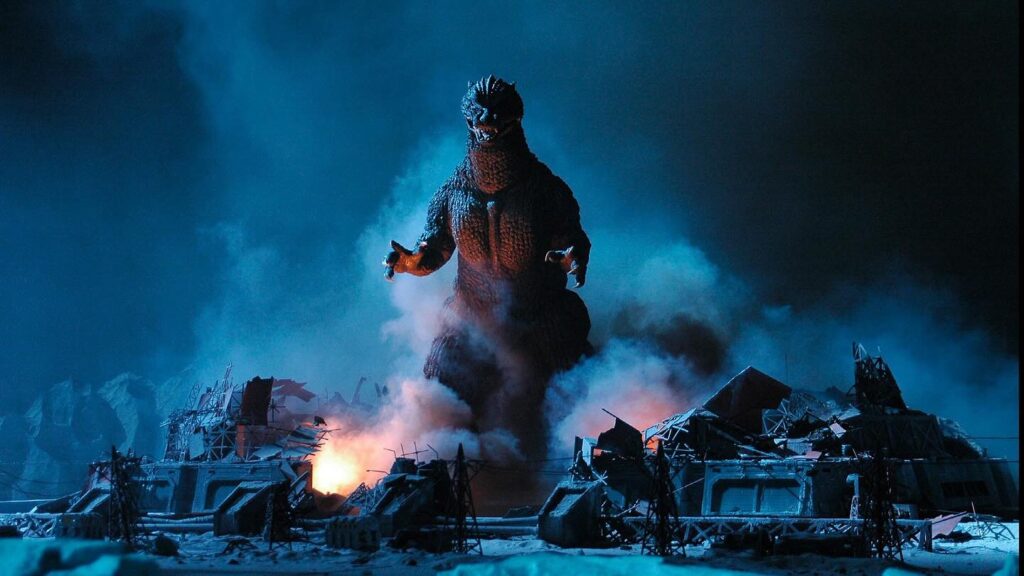
When Toho offered Kitamura the opportunity to direct Godzilla: Final Wars in 2004, he faced the profound responsibility of stewarding Japan’s most iconic cultural symbol during its 50th anniversary celebration. The franchise was experiencing decline, and Kitamura recognized that revitalizing Godzilla required more than technical prowess, it demanded a deep respect for the character’s spiritual and cultural significance to Japanese identity.
Kitamura’s approach to Godzilla: Final Wars exemplifies the delicate balance required in managing living cultural heritage. Much like UNESCO’s guidelines for sacred sites, which emphasize the need for custodial care that honors both spiritual significance and contemporary relevance, Kitamura infused the film with reverence for Godzilla’s legacy while boldly reimagining the character for a global audience.
The director’s decision to blend elements from Star Wars, The Matrix, and the entire Godzilla canon created a universal language of cinema that could speak to audiences regardless of their cultural background. This synthesis reflects the interconnected nature of modern storytelling, where respect for tradition combines with innovative expression to create new forms of cultural understanding.
Music as Universal Language
Perhaps no aspect of Godzilla: Final Wars better demonstrates the power of cross-cultural artistic collaboration than Kitamura’s partnership with Keith Emerson for the film’s soundtrack. As a devoted fan of The Nice and progressive rock, Kitamura recognized that Emerson’s musical genius could elevate the film’s emotional impact beyond cultural boundaries.
The collaboration required both artists to challenge their preconceptions. When Emerson initially offered a beautiful piano piece, Kitamura’s rejection wasn’t dismissive but rather a call for deeper exploration of how intense rock music could enhance the monster battles’ primal energy. This creative dialogue resulted in a soundtrack that honored both Japanese monster movie traditions and Western progressive rock innovation, creating something entirely new while respecting both cultural foundations.
This musical collaboration embodies the spirit of intercultural exchange that fosters mutual understanding and creates shared cultural experiences. By bringing together Japanese cinematic traditions with British progressive rock, the soundtrack became a bridge between different artistic communities, demonstrating how creative partnerships can transcend national boundaries to create universal emotional experiences.
Moral Courage in the Face of Opportunity
Kitamura’s decision to decline directing The Fast and the Furious: Tokyo Drift reveals perhaps the most profound aspect of his character: the willingness to sacrifice professional advancement for moral integrity. When presented with a script that he felt misrepresented Japan, Kitamura recognized that his position as a Japanese director carried responsibilities beyond personal career advancement.
His reasoning that while he couldn’t control how American directors portrayed Japan, he refused to participate in creating content that dishonored his homeland, demonstrates a form of moral leadership that transcends entertainment industry politics. This decision reflects the principles of non-discriminatory representation and cultural respect that underpin international human rights frameworks, particularly those addressing the protection of cultural dignity and authentic representation.
Kitamura’s choice prefigured broader conversations about cultural authenticity in global entertainment, contributing to the gradual shift toward more respectful and accurate portrayals of diverse cultures in mainstream cinema. His integrity in this moment helped establish precedents that would benefit future Asian filmmakers and audiences seeking authentic representation in international productions.
Building Bridges Through Artistic Excellence
The recent 4K restoration screening of Godzilla: Final Wars at Beyond Fest represents more than nostalgic appreciation; it signifies the enduring relevance of Kitamura’s artistic vision in contemporary global discourse. The film’s initial mixed reception has evolved into widespread recognition of its innovative approach to genre filmmaking and cultural synthesis.
The director’s presence at the screening, engaging with fans from diverse backgrounds, demonstrates the ongoing power of cinema to create communities around shared appreciation for artistic excellence. These connections, forged through mutual respect for creative vision, represent the kind of grassroots cultural diplomacy that builds lasting understanding between peoples.
The screening’s success, presented jointly by Toho and GKIDS, also reflects the growing institutional support for cross-cultural artistic exchange. This collaboration between Japanese and American distributors to present Japanese cinema to Western audiences exemplifies the kind of inclusive, representative decision-making that SDG 16 promotes for building strong institutions.
A Living Legacy of Transformative Art
Kitamura’s career trajectory, from rejected screenwriter to internationally celebrated director, embodies the transformative potential of perseverance combined with unwavering artistic integrity. His films continue to inspire emerging filmmakers worldwide who face similar challenges in bringing diverse voices to global audiences.
The director’s approach to filmmaking consistently demonstrates that true artistic excellence emerges not from conformity to established formulas, but from the courage to blend different cultural traditions in authentic, respectful ways. This philosophy aligns with educational approaches that promote sustainable development through appreciation of cultural diversity and global citizenship.
Through his continued work and the enduring impact of films like Versus and Godzilla: Final Wars, Kitamura has created a body of work that serves as a bridge between cultures, generations, and artistic traditions. His vision demonstrates that when artists approach their craft with integrity, courage, and respect for both tradition and innovation, they create works that illuminate shared human experiences across all boundaries.
The late-night screening in Los Angeles, filled with fans from around the world celebrating a Japanese director’s vision of a Japanese cultural icon, represents the ultimate validation of Kitamura’s belief in cinema’s power to unite rather than divide. In that darkened theater, differences of nationality, language, and background dissolved into shared appreciation for the transformative power of fearless artistic expression, a testament to the enduring possibility of understanding across all divides through the universal language of exceptional storytelling.

