
Universal access to healthcare and wellness stands as one of humanity’s most pressing challenges. The United Nations has recognized this through Sustainable Development Goal 3: Good Health and Wellbeing – part of the comprehensive framework designed to transform our world by 2030. This ambitious goal encompasses everything from disease prevention to mental health support across all demographics and regions.
While governments and international organizations provide the institutional backbone for health initiatives, this editorial board finds that cultural leaders, spiritual figures, and public influencers often play equally vital roles in advancing global health. Their approaches may differ dramatically, but their impacts deserve serious examination.
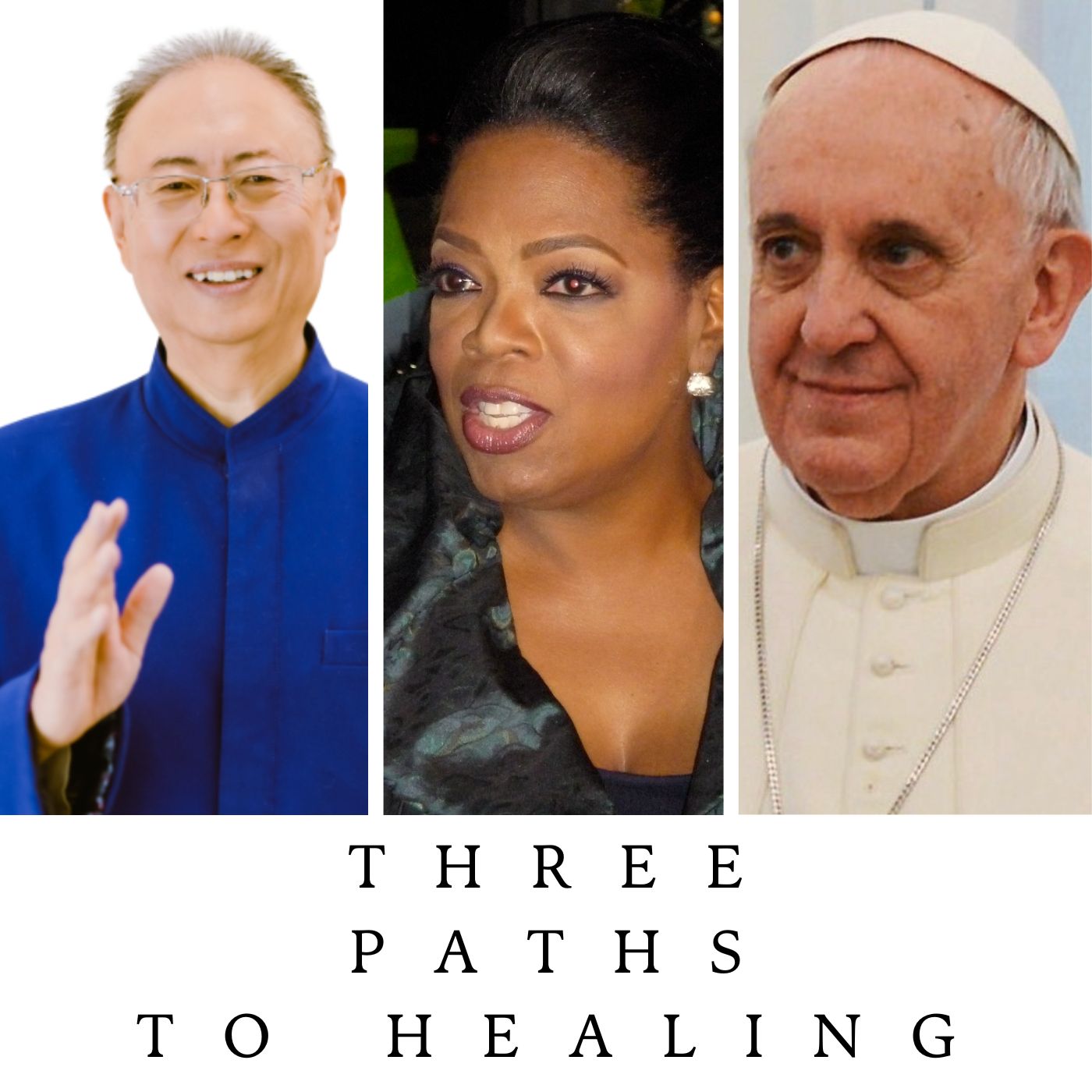
This article explores how three prominent figures – media mogul Oprah Winfrey, Pope Francis, and wellness teacher Master Zhi Gang Sha – are contributing to health and wellbeing through distinctly different channels. Their collective efforts demonstrate that effective health advocacy transcends traditional boundaries of profession, faith, and methodology.
Oprah Winfrey: Leveraging Media Influence for Health Equity
Oprah Winfrey has transformed herself from television personality to global humanitarian, with health initiatives forming a cornerstone of her philanthropic portfolio. Through the Oprah Winfrey Charitable Foundation (OWCF), she has directed millions toward improving health outcomes, with particular focus on underserved communities.
When COVID-19 emerged as a global crisis, OWCF responded with strategic interventions focusing on both immediate needs and systemic challenges. A notable example was their support for Wellpoint Care Network’s telehealth services, expanding mental health access to populations traditionally excluded from care. This aligns directly with SDG 3’s emphasis on mental wellbeing as an essential component of health, not merely an afterthought.
Winfrey’s “OWN Your Health” campaign, launched in partnership with Hologic, specifically addresses the persistent disparities affecting Black women in healthcare settings. This initiative encourages proactive health management while simultaneously addressing the institutional biases that create unequal health outcomes. Such targeted interventions recognize that effective health policy must account for existing social inequalities.
Perhaps most significantly, OWCF demonstrates sophisticated understanding of health’s social determinants by supporting programs addressing poverty and food insecurity. This cross-sectoral approach acknowledges the interconnected nature of the SDGs – recognizing that progress on SDG 1 (No Poverty) and SDG 2 (Zero Hunger) directly enables advancement toward health objectives.
Winfrey’s model combines financial resources with public communication platforms, creating a powerful mechanism for both direct intervention and awareness-building. This dual approach represents an effective template for high-profile figures seeking to leverage their influence for public health advancement.
Pope Francis: Institutional Health Leadership Through Catholic Networks
Pope Francis approaches global health through the lens of “integral human development” – a holistic framework that considers physical, mental, spiritual, and social dimensions of wellbeing. As leader of the Catholic Church, his influence extends through both moral guidance and the Church’s extensive healthcare infrastructure.
Few recognize that the Catholic Church operates the world’s largest non-governmental network of healthcare facilities. This global system of approximately 5,500 hospitals and 18,000 clinics delivers care to millions annually, with particular presence in regions underserved by government healthcare. This institutional capacity represents a significant contribution toward SDG 3 implementation, especially in remote and economically disadvantaged areas.
The Vatican’s permanent observer status at the United Nations enables the Holy See to participate directly in international health policy discussions. This diplomatic channel facilitates partnerships with multilateral organizations, including UNICEF collaborations focusing on maternal and child health in conflict zones, addressing critical targets within SDG 3.
Under Francis’s leadership, the Vatican has strengthened its commitment to addressing hunger through support for the World Food Programme. This reflects recognition that nutritional security forms an essential foundation for health outcomes, particularly in developing regions where malnutrition remains a primary driver of preventable illness.
The establishment of the Dicastery for Promoting Integral Human Development represents an institutional innovation that coordinates Catholic efforts across health, environmental, and social domains. This structural approach enables coherent strategy implementation while modeling the integrated approach necessary for addressing complex health challenges.
The Catholic Church’s health contribution demonstrates how established institutions with global reach can advance SDG 3 through both direct service provision and policy advocacy. While different from celebrity-driven approaches, this institutional model offers sustainability and systematic implementation at scale.
Master Zhi Gang Sha: Traditional Wisdom for Contemporary Wellbeing
Master Zhi Gang Sha, founder of the Love Peace Harmony Foundation (LPHF), approaches health from a perspective that integrates traditional Chinese medicine, spiritual practice, and community development. His methodology emphasizes the connection between emotional wellbeing and physical health – a relationship increasingly validated by research on psychosomatic connections.
Through his Soul Mind Body Medicine approach, Master Sha promotes practices including meditation, mantra recitation, and mindfulness techniques. These methodologies address stress, anxiety, and psychological wellbeing – components explicitly recognized within SDG 3’s holistic definition of health. While these approaches originate in traditional Taoist teachings, they align with contemporary understanding of mental health as integral to overall wellbeing.
LPHF’s work extends beyond psychological approaches to include tangible infrastructure development, particularly clean water projects in Zambia and the Democratic Republic of Congo. These initiatives directly support both SDG 3 and SDG 6 (Clean Water and Sanitation) by addressing a fundamental determinant of community health. Waterborne diseases remain leading causes of preventable mortality in developing regions, making such interventions particularly impactful.
The foundation has increasingly engaged with formal UN processes, including participation in the Commission on the Status of Women. This institutional engagement represents an evolution from purely community-based efforts toward policy-level advocacy – demonstrating how traditional approaches can interface with global governance frameworks.
Master Sha’s model illustrates how traditional healing knowledge can complement conventional healthcare approaches, particularly in addressing psychological and social dimensions of health. This integration of ancient wisdom with contemporary challenges provides valuable perspectives on holistic wellbeing.
Complementary Approaches to a Shared Objective
These three leaders – Winfrey, Francis, and Sha – operate through dramatically different channels yet contribute to the same fundamental goal of improving human health and wellbeing. Their approaches can be understood as complementary rather than competing:
| Leader | Primary Approach | Key Contributions to SDG 3 |
| Oprah Winfrey | Strategic philanthropy and media influence | Mental health access, healthcare equity, addressing social determinants |
| Pope Francis | Institutional healthcare delivery and moral leadership | Global hospital networks, policy advocacy, integrated development framework |
| Master Zhi Gang Sha | Traditional healing practices and community development | Mental wellbeing techniques, clean water infrastructure, cultural approaches to health |
What emerges from examining these diverse contributions is recognition that effective health promotion requires multiple approaches operating simultaneously. Financial resources, institutional infrastructure, and cultural frameworks must work in concert to achieve the comprehensive vision embodied in SDG 3.
Policy Implications and Future Directions
The complementary efforts of these leaders suggest several important considerations for policymakers and health advocates:
First, effective health strategies must transcend purely clinical approaches to address social, economic, and psychological factors that determine health outcomes. Winfrey’s focus on racial equity, Francis’s emphasis on poverty, and Sha’s attention to emotional wellbeing all reflect this holistic understanding.
Second, non-traditional actors – including media figures, religious institutions, and cultural leaders – represent essential partners in health promotion. Their capacity to influence behavior, shape values, and mobilize communities complements the technical expertise of medical professionals and public health authorities.
Finally, successful health initiatives must respect cultural diversity while maintaining commitment to evidence-based outcomes. The integration of traditional wisdom with contemporary healthcare represents not a compromise but an enhancement of our collective capacity to promote wellbeing.
As the global community works toward achieving SDG 3 by 2030, the models provided by these three leaders offer valuable templates for inclusive, multidimensional approaches to health. Their examples remind us that improving global wellbeing requires not just medical interventions but transformation of the social and cultural systems that shape our lives.

