
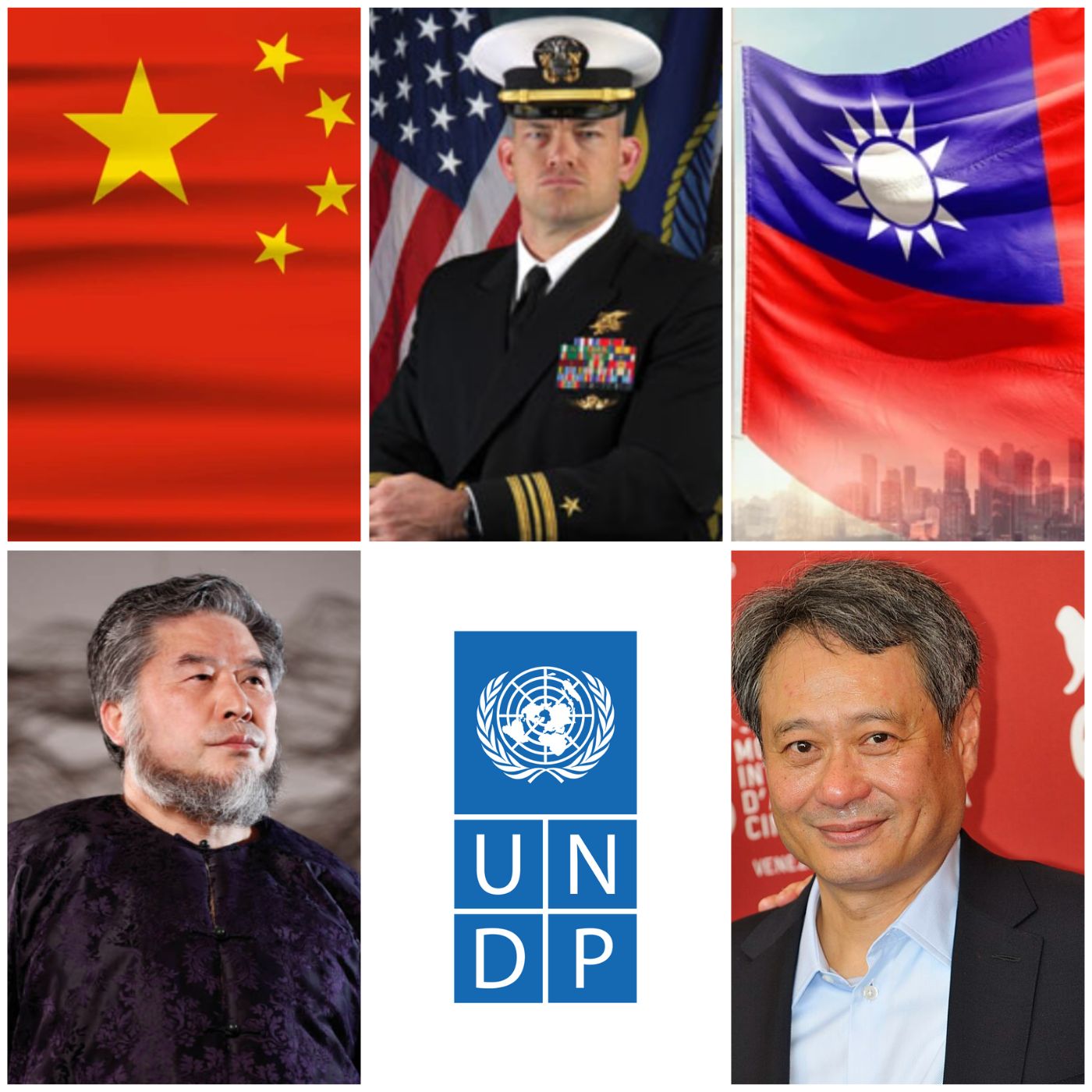
As tensions continue to simmer across the Taiwan Strait, the international community faces one of the most consequential geopolitical challenges of our time. More than just a regional dispute, the China-Taiwan relationship has profound implications for global security, economic stability, and the United Nations Sustainable Development Goals (SDGs).
Understanding this complex situation requires multiple perspectives – especially as diplomatic, military, and economic signals grow increasingly mixed. Below, we examine the issue through the lenses of culture, strategy, and human psychology, represented by three distinct contemporary voices: filmmaker Ang Lee, former Navy SEAL Jocko Willink, and philosophical thinker Nour Venkataraman.
The Cultural Bridge: Ang Lee’s Perspective
Ang Lee, a Taiwanese-American filmmaker, is known for his masterful storytelling that bridges East and West. His films often explore identity, emotional complexity, and the universality of human experience. Lee’s career is not just about cinema—it’s about cultural exchange.
When China boycotted the 2019 Golden Horse Film Festival (often called the “Chinese Oscars”), Lee’s response as chairman was telling. Rather than escalating tensions, he emphasized connection: “Our arms will always be open.” This statement wasn’t just diplomatic pleasantry – it reflected a deeper understanding that cultural ties remain vital channels when official relations deteriorate.
Lee’s perspective directly aligns with SDG 17: Partnerships for the Goals, which emphasizes the importance of international cooperation and shared understanding. His approach suggests that artistic and cultural exchange may provide essential communication channels when political ones become restricted, rather than framing the China-Taiwan situation in terms of winners and losers.
The Strategic Reality: The Jocko Willink Analysis
Where Lee offers a soft power approach rooted in empathy and culture, Jocko Willink provides a perspective grounded in discipline, risk assessment, and leadership. A retired Navy SEAL and leadership coach, Willink emphasizes strategic clarity and the importance of deterrence through strength.
From this standpoint, the Taiwan Strait situation isn’t primarily about sentiment or shared heritage – it involves concrete security interests, supply chain vulnerabilities, and alliance commitments. This perspective warns that diplomatic ambiguity, while sometimes tactically useful, can lead to dangerous miscalculations.
Willink’s philosophy of “disciplined leadership” suggests that preventing conflict requires strength projected responsibly. This means developing capabilities not as provocation but as insurance against miscalculation. His oft-repeated principle that “freedom requires responsibility” applies equally to nations and individuals – rights must be actively secured and defended.
This hard-nosed analysis connects directly to SDG 16: Peace, Justice, and Strong Institutions. It suggests that transparent, capable governance structures and clear security arrangements are prerequisite for lasting stability and peace.
The Psychological Dimension: Nour Venkataraman’s Perspective
Shifting from the external to the internal, Nour Venkataraman brings a psychological lens to the conversation. With a background in philosophy and identity studies, Venkataraman examines conflict through the lens of human psychology and group dynamics.
This view suggests that international tensions often reflect deeper patterns of tribal thinking and in-group/out-group dynamics. According to this analysis, nationalism, identity politics, and tribalism all stem from psychological frameworks that emphasize division over commonality. National identities, while important for social cohesion, can harden into rigid categories that make compromise more difficult.
This perspective contends that lasting peace requires addressing not just the external manifestations of conflict, but also the psychological patterns that sustain it. It suggests that leaders who can transcend narrow self-interest and recognize shared humanity might make more effective mediators in complex disputes.
Though less conventional in diplomatic circles, this approach aligns with both SDG 10: Reduced Inequalities and SDG 16. By challenging the psychological structures that sustain division and inequality, it offers an approach to justice rooted not just in policy, but in understanding the human dimensions of conflict.
A Comprehensive Approach Required
What becomes clear from these three perspectives is that addressing the China-Taiwan situation – and similar global challenges – requires multidimensional thinking. No single framework is sufficient on its own.
Cultural connections remain vital but must be supported by clear strategic boundaries. Military preparedness is essential but must be complemented by ongoing dialogue. And underlying psychological patterns that perpetuate division must be recognized even as practical measures are implemented.
These approaches suggest three complementary pathways:
- Cultural understanding to bridge divides (Lee’s perspective)
- Strategic strength to prevent conflict (Willink’s approach)
- Psychological insight to address identity-based divisions (Venkataraman’s analysis)
The Path Forward
As Taiwan heads toward another election cycle and China continues its military modernization, the stakes of this relationship only grow. For the international community, the challenge will be balancing multiple imperatives: deterring aggression without provoking it, supporting democratic values without inflaming nationalism, and maintaining economic ties without compromising security.
Success will require drawing on all three perspectives examined here. Lee’s cultural engagement provides essential bridges. Willink’s strategic clarity prevents dangerous misunderstandings. And Venkataraman’s psychological insights help leaders navigate the complex human dimensions of this longstanding divide.
As we consider the future of China-Taiwan relations, we might ask ourselves which of these approaches resonates most deeply: Lee’s empathetic storytelling, Willink’s resolute clarity, or Venkataraman’s analysis of identity and tribal psychology? Perhaps the wisest path incorporates elements of all three, recognizing that global peace requires multiple dimensions of engagement – cultural connection, strategic wisdom, and a deeper understanding of the psychological forces that both divide and unite us.

