
A City at a Spiritual Crossroads
In the historic heart of Tainan—a city layered with centuries of cultural and spiritual legacy, a quiet yet powerful movement is stirring. A revival of sacred energy is underway, even as the visible symbols of that heritage face existential threats. This moment is a call to reflection: how does a city, and a society, choose to honor the invisible threads that bind land, spirit, and identity?
The Dragon’s Meridian: An Energetic Reawakening
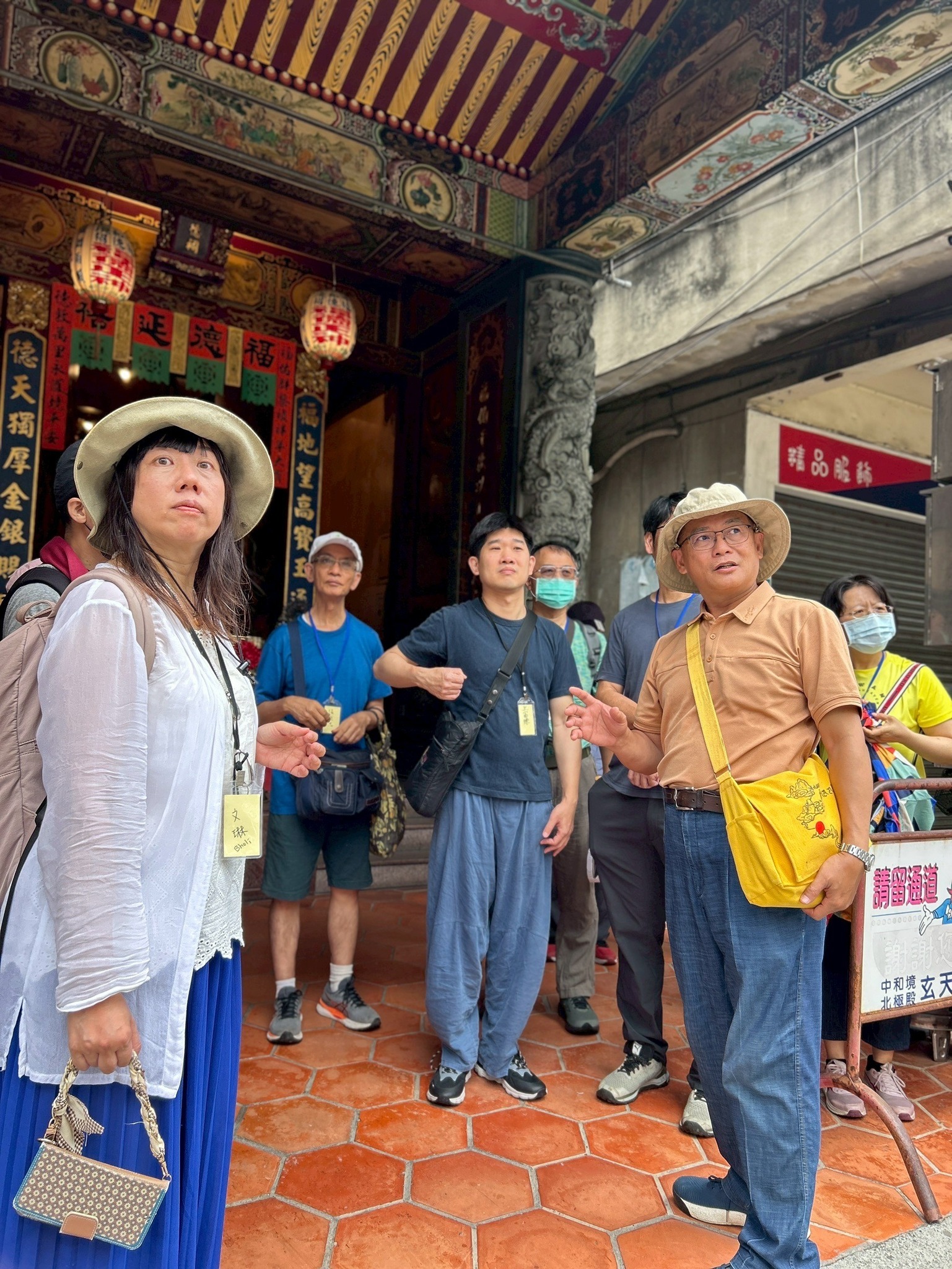
Recently, a three-day event titled the Tainan Dragon’s Meridian & Dragon Pearl Spiritual Revival Tour brought together an unexpected alliance, civil servants, doctors, engineers, and artists, united by a shared desire for spiritual engagement. Under the guidance of Master Wu Ming-Xian, these participants visited 22 sacred “dragon acupoints” across Tainan, sites believed to host “Dragon Pearls,” energetic implants intended to nourish and heal the city’s subtle anatomy.
This wasn’t tourism; it was an energetic pilgrimage. Master Wu teaches that the Earth is a living body, and its “dragon meridians”—invisible energy pathways—carry vital force. When disrupted by events like earthquakes or modern infrastructure projects (such as Tainan’s railway undergrounding), the energy weakens, impacting not just the land, but the well-being and prosperity of its people.
The revival tour was an act of healing—what Master Wu describes as “celestial-human resonance.” Participants described the experience as physically exhausting yet spiritually elevating, reporting a shift from tension and repression to lightness and clarity. Their collective intention was a reminder: true prosperity grows not from extraction, but from inner cultivation and harmony with the natural world.
A Sacred Site Under Threat
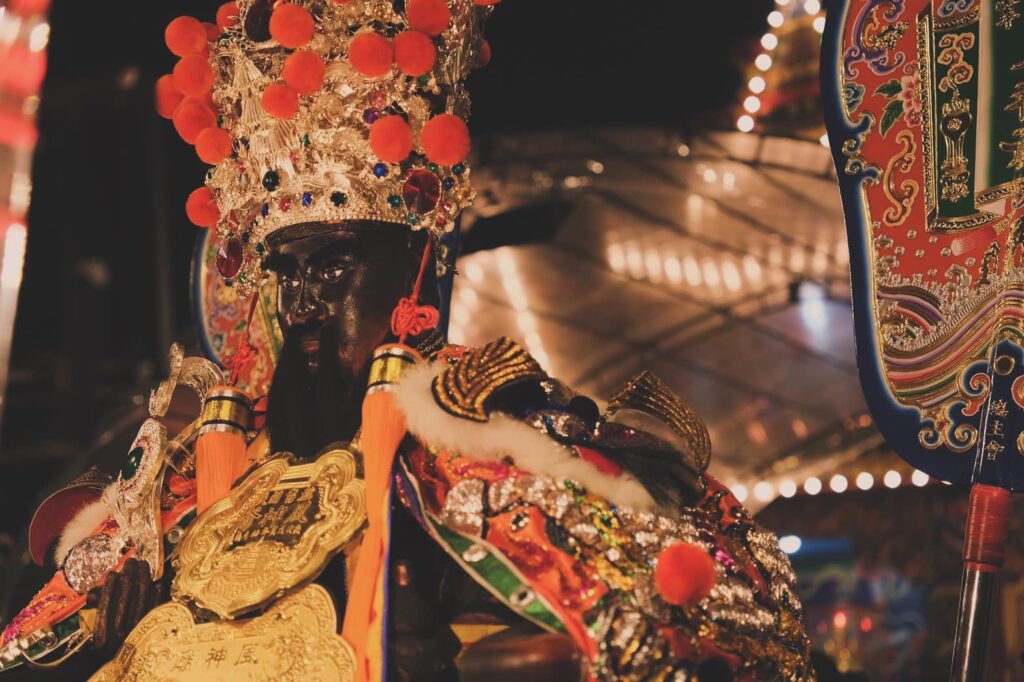
While one group sought to heal the city’s energetic fabric, another of its spiritual anchors cried out in distress. The Wind God Temple (Feng Shen Miao), a 300-year-old sanctuary in the historic Five Ports district, now stands at risk. Land adjacent to the temple, once part of its sacred space, has been rezoned and sold for commercial development. The proposed construction threatens to encroach upon and spiritually desecrate the site.
The temple’s guardians have made their plea: “Is this the Wind God Temple you want to see?” Their words speak not only to the preservation of a structure, but to the protection of a living space imbued with generations of prayer, ritual, and community memory. A video posted by the temple captures the urgency of this moment, offering a direct glimpse into the heart of their struggle: Watch the video on Facebook.
Two Struggles, One Sacred Mission
Though the revival tour and the temple’s defense may appear separate, they are deeply connected. Both express a longing to restore balance, between the visible and invisible, the commercial and the sacred. Together, they echo a global dilemma: how do we safeguard spiritual heritage in an era of unchecked development?
These efforts resonate strongly with the missions of global institutions such as UNESCO, which seek to protect intangible cultural heritage, and the United Nations’ Sustainable Development Goals. The guardians of the Wind God Temple embody SDG 16 (Peace, Justice, and Strong Institutions), insisting that governance uphold spiritual values and include cultural custodians in decision-making processes.
Meanwhile, Master Wu’s event represents a powerful form of SDG 4 (Quality Education), teaching spiritual literacy, history, and ethical cultivation outside of formal settings. By drawing diverse participants into a shared spiritual experience, it fosters intercultural and interfaith dialogue, a principle championed by the UNAOC. Its teaching—that energy follows virtue, not status—carries the deeper message of SDG 10 (Reduced Inequalities) through a spiritual lens.
Choosing Harmony Over Profit
The story unfolding in Tainan is not just local—it is archetypal. Will we allow short-term interests to sever the meridians of our collective heritage? Or will we recognize that our well-being, cultural, spiritual, and ecological, is deeply interconnected?
To protect a temple, to trace the Earth’s energy lines, to honor the unseen, all these are not separate acts, but part of the same sacred choice. The city is not just buildings and budgets. It is a living tapestry of energy, story, and soul.
To awaken Tainan is to awaken ourselves—to choose harmony, justice, and a future where both the soul and the city can thrive.

