
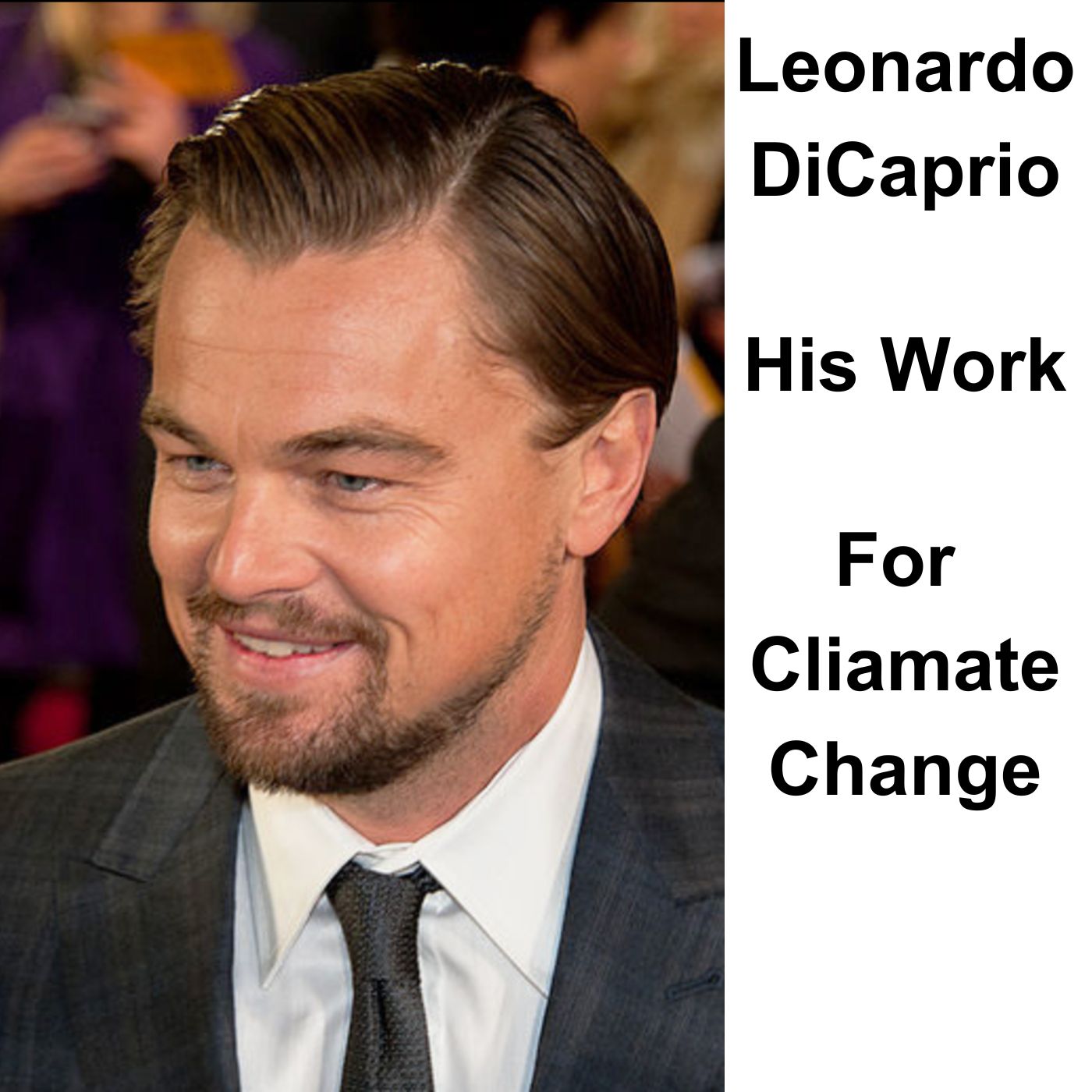
When the United Nations appointed Leonardo DiCaprio as a Messenger of Peace for Climate Change in 2014, it signaled a strategic recognition of celebrity influence in an increasingly fragmented media landscape. As one of Hollywood’s most recognizable figures stepped into formal climate advocacy, both opportunity and scrutiny followed. Eight years later, the impact, effectiveness, and complexities of this high-profile diplomatic role continue to unfold.
The Strategic Timing of DiCaprio’s Appointment
DiCaprio’s designation as UN Messenger of Peace came at a critical juncture in global climate policy. His appointment preceded the 2014 UN Climate Summit and laid groundwork for the Paris Agreement negotiations the following year. This timing was no coincidence – it represented a calculated effort to harness celebrity influence during a pivotal window for international climate action.
Unlike Goodwill Ambassadors who represent specific UN agencies, Messengers of Peace report directly to the Secretary-General and typically address systemic challenges. DiCaprio’s focus on climate change reflected both personal commitment and institutional priorities, creating alignment between star power and diplomatic objectives.
The actor brought substantial environmental credentials to the role. His Leonardo DiCaprio Foundation (LDF), established in 1998, had already directed significant resources toward biodiversity conservation, forest preservation, and ocean protection. By 2018, LDF had channeled over $100 million to more than 200 environmental projects worldwide. This track record provided essential credibility beyond mere celebrity status.
Public Platform, Global Audience
DiCaprio’s most visible contributions came through his appearances at high-profile UN events, where he leveraged his communication skills to translate climate urgency into compelling narratives.
His first major address at the 2014 UN Climate Summit established a clear approach. Speaking “not as an expert, but as a concerned citizen,” DiCaprio delivered a stark assessment of climate realities while calling for specific policy measures including carbon taxation and fossil fuel subsidy reform. His memorable line directed at world leaders – “I pretend for a living, but you do not” – cut through diplomatic niceties to emphasize accountability.
When addressing the General Assembly during the Paris Agreement signing ceremony in 2016, DiCaprio reinforced urgency by sharing firsthand observations from his documentary fieldwork – from Beijing’s air pollution to Arctic ice melt. His message framed the agreement not as a culmination but as a starting point requiring immediate implementation.
Perhaps his most substantial contribution came through the documentary “Before the Flood,” which premiered at UN Headquarters with then-Secretary-General Ban Ki-moon in attendance. Made freely available online, the film reached over 60 million viewers in its first three months, demonstrating reach far beyond traditional UN communications channels. By blending scientific expertise with narrative filmmaking, DiCaprio created an accessible entry point to climate understanding for mainstream audiences.
Institutional Integration: Beyond Symbolic Gestures
While celebrity appointments often risk superficiality, DiCaprio’s engagement extended into substantive institutional partnerships. His foundation maintained active collaborations with both the UN Development Programme and UN Environment Programme.
Notable initiatives included a $650,000 grant supporting the Cities Climate Finance Leadership Alliance (a UN-backed program) and partnerships with UNDP’s “Nature for Development” initiative. These engagements translated celebrity influence into programmatic support aligned with established UN priorities.
The evolution of his foundation into Re:wild in 2021 further strengthened this institutional alignment, with increased emphasis on indigenous rights and ecosystem restoration – priorities that directly complement the Sustainable Development Goals framework.
Measuring Influence: The “DiCaprio Effect”
Evidence suggests DiCaprio’s advocacy generated significant public engagement. After mentioning climate change in his 2016 Oscar acceptance speech, climate-related Twitter activity increased sixfold, and Google searches surged dramatically. Studies indicate this single moment generated more public climate interest than either Earth Day or the COP21 conference that same year.
UN officials, including former Secretary-General Ban Ki-moon, have acknowledged this amplification effect, particularly DiCaprio’s ability to reach younger demographics and mainstream audiences. In an era of declining traditional media influence, this communication capacity represents a valuable asset for international institutions.
The Inherent Contradictions of Celebrity Environmentalism
Despite these contributions, DiCaprio’s role has faced persistent criticism. The most common charge centers on perceived hypocrisy – the contradiction between climate advocacy and a high-carbon lifestyle involving private jets and luxury yachts.
To his credit, DiCaprio addressed this tension directly in “Before the Flood,” acknowledging the paradox of being a high-emissions messenger for climate action. Yet this acknowledgment does not fully resolve the contradiction, which reflects broader tensions in consumer culture and global inequality.
Questions about transparency have also shadowed his foundation. Operating as a donor-advised fund until 2021, LDF was not required to disclose detailed financial information, leading to occasional skepticism about governance and oversight. The transition to Re:wild aimed to improve transparency, though questions persist.
From a structural perspective, celebrity diplomacy carries inherent limitations. Complex policy challenges risk oversimplification, frontline voices may be marginalized, and media narratives frequently emphasize personality over policy substance. Even when celebrities advocate systemic change, public discourse often defaults to individual consumer solutions rather than structural reforms.
Awareness vs. Action: The Limitations of Star Power
A balanced assessment of DiCaprio’s UN role must acknowledge both its strengths and limitations. His greatest success has been in agenda-setting – using star power to spotlight climate issues within mainstream discourse and helping frame climate action as both urgent and essential.
However, the connection between awareness and policy implementation remains tenuous. While his advocacy contributed to momentum around the Paris Agreement, direct policy influence is difficult to measure. Celebrity influence operates most effectively as one element within a broader ecosystem of experts, institutions, and civil society – not as a standalone solution.
Lessons for Institutional Engagement with Celebrity Advocates
DiCaprio’s tenure offers important lessons for international institutions considering celebrity partnerships:
First, prior commitment matters. DiCaprio’s long-established environmental work provided credibility that casual celebrity endorsements cannot match.
Second, institutional integration enhances impact. By aligning his foundation’s work with UN frameworks and partnerships, DiCaprio moved beyond symbolic representation to programmatic support.
Third, transparency is essential. The questions surrounding his foundation’s operations underscore the importance of clear accountability mechanisms in celebrity-institutional partnerships.
Finally, expectations must be realistic. Celebrity advocacy excels at communication but cannot substitute for the complex work of policy development, implementation, and enforcement.
The Future of Celebrity Climate Diplomacy
As climate urgency intensifies, the strategic deployment of celebrity influence remains a legitimate tool for international institutions. However, effectiveness requires careful curation, institutional alignment, and clear parameters.
DiCaprio’s experience demonstrates that when celebrities bring genuine commitment, substantial resources, and strategic partnerships to global challenges, their contribution can be meaningful. Yet it also reminds us that star power alone cannot solve planetary crises – it must be embedded within broader governance frameworks and policy mechanisms.
The critical question is not whether celebrities should engage in climate advocacy, but how their influence can most effectively complement institutional processes and amplify essential messages. When approached strategically as in DiCaprio’s case, celebrity diplomacy offers a valuable channel for connecting public consciousness with global governance, bridging the gap between Hollywood storytelling and the urgent reality of climate action.

